

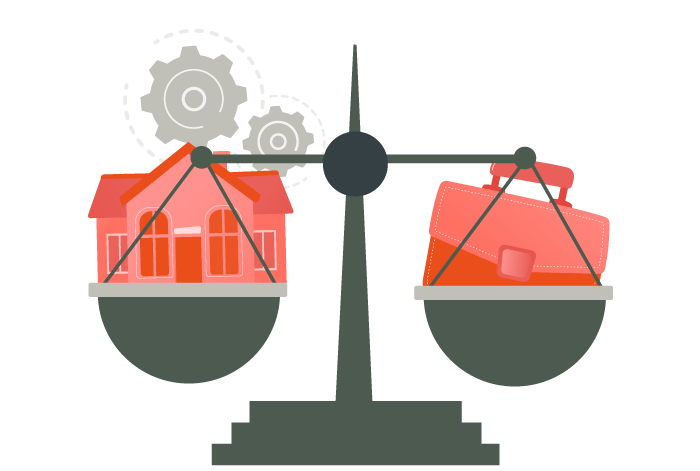
Image source: Image by vectorjuice on Freepik.
Remote Work: Guide for Success
The rise of remote work has revolutionized the way we work and has provided individuals with the flexibility to work from anywhere in the world. While this newfound freedom has many advantages, it also presents unique challenges that can affect our work-life balance. In this guide, I will explore the importance of work-life balance for remote workers and provide practical strategies to help you achieve success in your remote work journey.
The Rise of Remote Work
In recent years, remote work has gained immense popularity, thanks to advancements in technology and the increasing demand for flexible work arrangements. Remote work allows individuals to work from the comfort of their own homes, coffee shops, or anywhere with an internet connection. This flexibility eliminates the need for a daily commute, provides a better work-life balance, and allows individuals to take control of their schedules.
Understanding the Challenges of Remote Work
While remote work offers numerous benefits, it also comes with its own set of challenges. One of the biggest challenges remote workers face is the blurring of boundaries between work and personal life. Without a physical separation between the office and home, it can be difficult to switch off from work and dedicate time to personal activities. Additionally, remote workers may experience feelings of isolation and loneliness due to the lack of face-to-face interaction with colleagues.
The Importance of Work-Life Balance
Maintaining a healthy work-life balance is crucial for remote workers to avoid burnout and thrive in their professional and personal lives. It allows us to allocate time for work, family, hobbies, and self-care, ensuring a holistic approach to life. When work and personal life are in harmony, we are more productive, motivated, and satisfied with our overall well-being.
Creating a Daily Planning Routine for Remote Work Success
One effective way to achieve work-life balance as a remote worker is by establishing a daily planning routine. Start your day by setting clear goals and priorities, both for work and personal life. Break down your tasks into manageable chunks and allocate specific time slots for each activity. This will help you stay organized, focused, and ensure that you have enough time for both work and personal commitments.
Strategies for Maintaining Work Efficiency in a Remote Setting
Maintaining work efficiency is crucial for remote workers to meet deadlines and deliver high-quality work. One strategy is to eliminate distractions by creating a dedicated workspace free from household disturbances. Set boundaries with family members or roommates to minimize interruptions during work hours. Additionally, establish a routine that mimics a traditional work environment, such as starting and ending work at consistent times, taking regular breaks, and avoiding multitasking to stay focused.
The Art of Self-Organization in Remote Work
Self-organization is a fundamental skill for remote workers. Without direct supervision, it is essential to take ownership of your workload and manage your time effectively. Prioritize tasks based on urgency and importance and use productivity tools and time management techniques to stay on track. Develop a system to track deadlines, create to-do lists, and review your progress regularly. By being self-organized, you can optimize your productivity and achieve a healthy work-life balance.
Establishing a Healthy Work Schedule for Better Work-Life Balance
Setting a healthy work schedule is vital for remote workers to prevent work from encroaching on personal time. Define your working hours and communicate them clearly with your team and clients. Stick to your schedule as much as possible and avoid the temptation to work outside of those hours. This will help you maintain a clear separation between work and personal life, allowing you to recharge and engage in activities that bring you joy and fulfillment.
Time Management Techniques
Effective time management is key to balancing work and life as a remote worker. One technique is the Pomodoro Technique, which involves working in focused 25-minute intervals followed by short breaks. This method helps maintain concentration and prevent burnout. Another technique is the Eisenhower Matrix, which helps prioritize tasks based on urgency and importance. By managing your time efficiently, you can accomplish more in less time, leaving room for personal pursuits. More about time management techniques you will read on article: From chaos to control: 5 popular everyday planning techniques.
Ergonomics of Remote Work: Creating a Comfortable and Productive Workspace
Creating a comfortable and ergonomic workspace is essential for remote workers to avoid physical discomfort and improve productivity. Invest in a good quality chair that provides proper support for your back. Ensure that your desk is at the correct height to avoid strain on your neck and shoulders. Position your computer monitor at eye level to maintain good posture and reduce eye strain. By optimizing your workspace, you can enhance your well-being and focus on your work.
Incorporating Physical Activity During Work from Home
Sedentary behavior is a common issue among remote workers, as the convenience of working from home often leads to prolonged sitting. To counteract this, incorporate physical activity into your daily routine. Take regular breaks to stretch, walk around, or engage in simple exercises. Consider investing in a standing desk or a stable ball chair to promote movement while working. By integrating physical activity into your remote work routine, you can improve your physical health and overall productivity.
Mental Regeneration: Taking Breaks and Practicing Self-Care
Taking breaks and practicing self-care is essential for remote workers to recharge and maintain good mental health. Schedule regular breaks throughout the day to rest your mind and prevent burnout. Engage in activities that help you relax and unwind, such as reading, meditation, or hobbies. Prioritize self-care by getting enough sleep, eating nutritious meals, and staying hydrated. By nurturing your mental well-being, you can approach your work with clarity, focus, and creativity.
Achieving a Harmonious Work-Life Balance in Remote Work
In conclusion, balancing work and life as a remote worker is both an art and a science. By understanding the challenges, prioritizing work-life balance, and implementing practical strategies, you can thrive in your remote work journey. Remember to create a daily planning routine, maintain work efficiency, practice self-organization, establish a healthy work schedule, manage your time effectively, optimize your workspace, incorporate physical activity, and prioritize mental regeneration. With these tools in your arsenal, you can achieve a harmonious work-life balance and enjoy the benefits of work from home.