

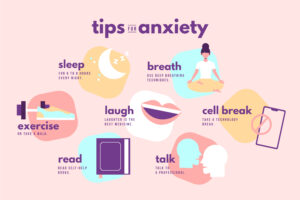
Image Source: Freepik
Step-by-step guide: Beat insomnia and enjoy restful nights
When it comes to getting a good night’s sleep, many people struggle with a widespread problem: insomnia. Insomnia is a sleep disorder that affects millions of individuals worldwide. It can be characterized by difficulty falling asleep, staying asleep, or both, making it essential to find effective ways to beat insomnia. While occasional sleepless nights are normal, chronic insomnia can have a significant impact on physical and mental health.
The causes of insomnia can vary from person to person. Stress and anxiety are often major contributors, as they can keep our minds racing when we should be winding down for sleep. Other factors include poor sleep habits, such as irregular sleep schedules or excessive use of electronic devices before bed. Additionally, certain medical conditions and medications can also disrupt our sleep patterns.
Impact of insomnia on physical and mental health
The consequences of chronic insomnia go beyond feeling tired during the day. Lack of quality sleep can lead to a range of health issues, both physical and mental. On a physical level, it can weaken the immune system, increase the risk of cardiovascular disease, and impair cognitive function. Mentally, it can contribute to mood disorders like depression and anxiety, as well as hinder concentration and memory.
Moreover, the effects of insomnia can extend into our daily lives. Fatigue and sleepiness can affect our performance at work or school, making it difficult to concentrate and stay productive. It can also strain relationships, as irritability and mood swings become more prevalent. Recognizing the impact of insomnia on both our personal and professional lives is vital in finding effective solutions.
Typical symptoms of insomnia
Recognizing the signs of insomnia is the first step in addressing the issue and finding ways to beat insomnia. Common symptoms include difficulty falling asleep, waking up frequently during the night, waking up too early and being unable to fall back asleep, feeling tired upon waking, and experiencing daytime sleepiness. If you consistently experience these symptoms, it is important to take action to improve your sleep quality.
Importance of pre-sleep routine to overcome insomnia
Establishing a pre-sleep routine can significantly improve your chances of overcoming insomnia. A consistent routine signals to your body that it is time to wind down and prepare for sleep. Start by setting a regular bedtime and wake-up time, even on weekends. Avoid stimulating activities and electronics at least an hour before bed, as the blue light emitted from screens can interfere with your sleep cycle. Instead, engage in calming activities like reading a book or taking a warm bath.
Creating a relaxing environment in your bedroom is also crucial. Keep the room cool, dark, and quiet. Invest in a comfortable mattress and pillows that support your body. Use blackout curtains or an eye mask to block out any unwanted light. Consider using white noise machines or earplugs if noise is a concern. By creating a sleep-friendly environment, you will be setting the stage for a restful night’s sleep.
Relaxation techniques to promote better sleep
Incorporating relaxation techniques into your daily routine can help calm your mind and prepare your body for sleep. Deep breathing exercises, meditation, and progressive muscle relaxation are effective techniques to reduce stress and promote relaxation. These practices can help quiet racing thoughts, ease muscle tension, and induce a state of calmness conducive to falling asleep more easily.
Another helpful technique is establishing a bedtime ritual. This can include activities such as listening to soothing music, practicing gentle stretching or yoga, or writing in a gratitude journal. Engaging in activities that help you unwind and shift your focus away from daily stressors can improve your sleep quality.
Discover how diet and exercise can help you beat insomnia
Our lifestyle choices, including our diet and exercise habits, can have a significant impact on our sleep patterns. Regular physical activity can help regulate our body’s internal clock and promote better sleep. Engaging in activities such as walking, jogging, or yoga can help reduce stress and promote relaxation. However, it is important to avoid vigorous exercise close to bedtime, as it can increase alertness and make it harder to fall asleep.
In terms of diet, certain foods and beverages can either promote or hinder sleep. Avoid consuming caffeine and nicotine, as they are stimulants that can interfere with sleep. Instead, opt for a balanced diet rich in fruits, vegetables, lean proteins, and whole grains. Additionally, avoid heavy meals close to bedtime, as they can cause discomfort and disrupt sleep. Instead, opt for a light, healthy snack if needed.
Natural remedies and supplements to improve sleep
For those seeking natural remedies to improve sleep, several options can be explored. Herbal teas like chamomile, valerian root, and lavender can have calming effects on the body and promote relaxation. Essential oils, such as lavender or bergamot, can be diffused in the bedroom or added to a warm bath to create a soothing environment.
Melatonin supplements can also be considered, as they are a natural hormone that helps regulate sleep-wake cycles. However, it is important to consult with a healthcare professional before starting any new supplements, as they may interact with medications or have side effects.
How to beat insomnia: seeking professional help
If self-help strategies and natural remedies do not provide relief, it may be time to seek professional help for chronic insomnia. A healthcare professional, such as a sleep specialist or psychologist, can provide guidance and support tailored to your specific needs. They can help identify underlying causes of your insomnia and develop a comprehensive treatment plan.
Treatment options may include cognitive-behavioral therapy for insomnia (CBT-I), which focuses on identifying and changing negative thought patterns and behaviors that contribute to sleep problems. In some cases, medication may be prescribed to help regulate sleep. However, it is important to remember that medication should be used as a last resort and under the supervision of a healthcare professional.
Insomnia can have a significant impact on our physical and mental well-being, as well as our daily lives. Understanding the causes and symptoms of insomnia is crucial in finding effective solutions to beat insomnia. By implementing a pre-sleep routine, creating a sleep-friendly environment, and incorporating relaxation techniques, we can improve our sleep quality. Additionally, adopting a healthy lifestyle, exploring natural remedies, and seeking professional help, when necessary, can further enhance our chances of overcoming insomnia. Remember, a good night’s sleep is essential for our overall health and well-being. So, take the necessary steps to beat insomnia and enjoy peaceful nights of restful sleep.
If you are struggling with chronic insomnia, consider seeking professional help to develop a personalized plan for better sleep.